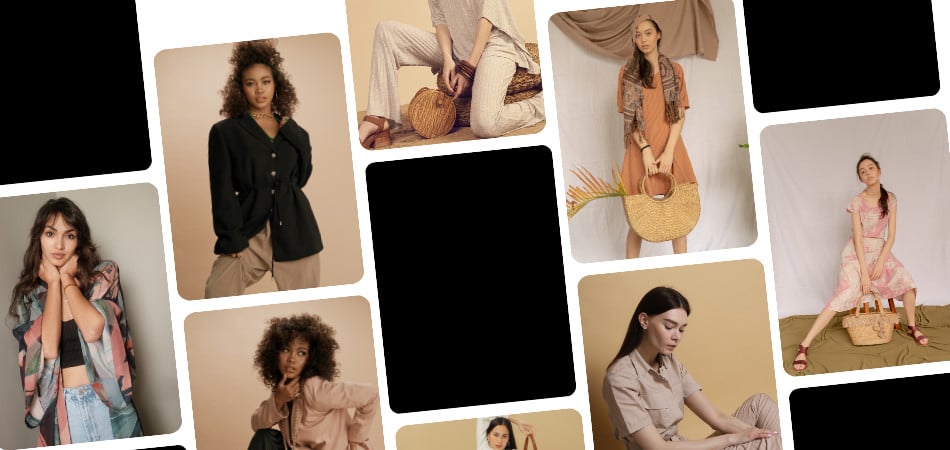
We’ve all had those “nothing to wear” moments—a closet full of clothes, yet no cohesive style. The secret? Learning to define personal style isn’t about chasing trends; it’s about uncovering what makes you feel uniquely you. Whether you’re drawn to classic tailoring, boho flair, or streetwear edge, this guide will help you:
✔️ Identify your Personal Style: Delve into the core aspects of your being to understand how your inner self can be reflected in your outward appearance.
✔️ Curate a wardrobe that works for your lifestyle: Ensure your clothing choices are not only stylish but also practical and aligned with your daily activities and long-term goals.
✔️ Shop intentionally (and avoid impulse buys): Develop mindful purchasing habits that prioritize quality, versatility, and alignment with your established personal style.
Step 1: Define Personal Style Through Self-Discovery
Finding your personal style is all about understanding what makes you feel your best. The “16 Personality DNA Quiz” helps match your natural coloring and personality with clothing that looks and feels right for you. Top stylists find that choosing just two to three words to describe your style (like “natural, chic, alluring”) makes every fashion decision easier.
Ask yourself these probing questions:
- In which outfits do I consistently feel the most confident, comfortable, and like my true self? Analyze the elements of these ensembles.
- Which specific colors and textures have a noticeable positive impact on my mood and make my complexion appear radiant? Pay attention to how different fabrics feel against your skin.
- How do I aspire to be perceived by the world? Do I want to project an image of approachability, authority, creativity, or something else entirely?
Pro Tip: Creating dedicated Pinterest boards using keywords such as “effortless chic style,” “modern minimalist fashion,” or “vintage-inspired looks” can be a powerful tool for uncovering your subconscious aesthetic preferences and identifying recurring visual themes that resonate with you.
Step 2: Audit Your Wardrobe Like a Pro
To effectively define personal style, a thorough and honest evaluation of your current wardrobe is essential. Employ the strategic 4-Pile Method to declutter and gain clarity:
- Love & Wear Often (Keep): These are the reliable staples that consistently make you feel good. Analyze why they work.
- Sentimental But Rarely Worn (Store): Items with emotional value that don’t fit your current style can be stored thoughtfully.
- Doesn’t Fit Style/Lifestyle (Donate): Be honest about pieces that no longer serve you in terms of fit, style, or your current activities.
- Trendy But Dated (Sell): Items that were once fashionable but now feel out of sync can be sold to make space for more aligned pieces.
“Your closet should ideally comprise approximately 70% versatile staples – the foundational pieces that can be mixed and matched effortlessly – and around 30% impactful statement pieces that inject personality and visual interest into your outfits,” advises renowned stylist Marie-Louise Sciò.
Step 3: Build a Capsule Wardrobe
A well-curated capsule wardrobe is a cornerstone of a defined and sustainable personal style.
Focus on these 5 Essential Categories:
- Foundations: Invest in high-quality, neutral-colored tops, tailored pants, skirts, and dresses that serve as versatile building blocks for numerous outfits.
- Statements: Introduce bold jackets, unique accessories (scarves, jewelry, belts), and eye-catching blouses that express your individuality.
- Footwear: Select at least three foundational pairs: comfortable and stylish everyday shoes, dressier options for more formal occasions, and practical seasonal footwear.
- Layering Pieces: Include versatile blazers, cardigans, trench coats, and other layering essentials that add depth and adaptability to your outfits.
- Wildcards: Incorporate a few carefully chosen items featuring interesting prints, textures, or colors that genuinely spark joy and reflect your unique personality.
Example: For someone aiming for a “Parisian chic” aesthetic, a foundational capsule might include a classic striped Breton top, a well-fitting black blazer, tailored trousers, a timeless trench coat, and chic loafers.
Step 4: Define Personal Style by Shopping Mindfully
Mindful shopping is crucial for maintaining a defined and lasting personal style. Implement The 24-Hour Rule: before making a purchase, step away from the item for 24 hours to assess its true desirability and necessity.
Before committing to a purchase, ask yourself these critical questions:
- Does this item genuinely align with my core style descriptors and the overall aesthetic I am cultivating?
- Can I style this piece in at least three different ways using items already present in my wardrobe, ensuring its versatility?
- Am I prioritizing quality craftsmanship and enduring design over fleeting trends and disposable fast fashion?
Avoid: Falling into the trap of impulsive fast fashion purchases. Instead, make a conscious effort to invest in a smaller number of high-quality pieces each year that truly resonate with your personal style and will stand the test of time, rather than accumulating a large quantity of trendy but ultimately disposable items.
Conclusion: Style Is a Journey
Ultimately, defining personal style is not about achieving some rigid form of perfection; rather, it is an ongoing and evolving journey of self-expression and discovery. Regularly revisit your wardrobe with fresh eyes each season, reassessing what works and what no longer serves you. And always remember that the most valuable accessory you can wear with any outfit is unwavering confidence in your choices.
Ready to take a deeper dive into understanding your unique colors and image identity and further refine your personal style? Contact ByFERIAL Image & Color Institute for more information!